Why 100,000 Starlink Terminals Are Suddenly a Liability for Ukraine
Ukrainian officials and European allies are scrambling to find backup communication systems after recent service disruptions raised doubts about the reliability of Elon Musk's satellite network.
By Brianna Jackson ·
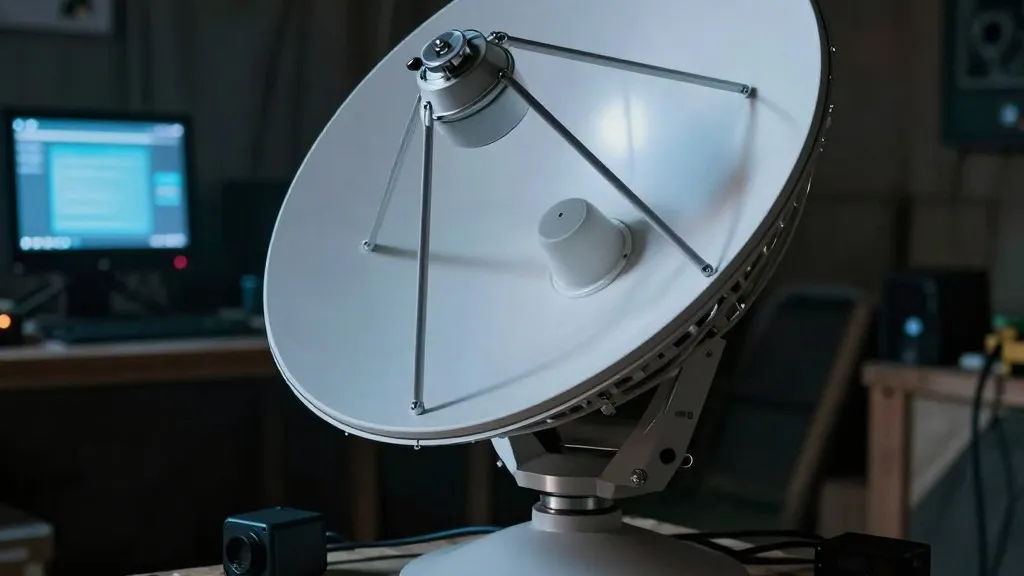
For years, the backbone of Ukraine’s digital resistance has been a constellation of satellites owned by Elon Musk. However, the relationship between the Ukrainian military and Starlink is currently under strain. Recent, unexplained interruptions in service, combined with concerns over the political leanings of the service’s owner, have forced Kyiv and its European partners to seriously consider how to fight if the signal drops again. The urgency is no longer just theoretical; it is a pressing operational reality that demands a backup plan.
The core issue is that Starlink has become so deeply integrated into Ukraine’s defense infrastructure that losing access to it would be a significant tactical setback. The network provides high-speed internet and data streams to virtually any user or vehicle equipped with a compact terminal. This capability is not just for civilians checking emails; it is the lifeline that allows Ukrainian forces to maintain command and control. It is the conduit through which drones are remotely piloted for air defense and used to strike back at Russian targets deep behind enemy lines.
A hardware research and development lead at the Ukrainian defense firm BlueBird Tech explained to us that the system remains technically superior to any other option on the market. Speaking anonymously for security reasons, the official noted that when you weigh the cost, availability, and ease of use, Starlink has virtually no competition. The technology is robust, but it is not magic. The primary physical limitation, according to the source, is the need to position the antenna correctly to catch the satellite signal. If the hardware is obscured or the geometry is poor, the connection suffers.
The financial and logistical support for this infrastructure has been substantial. The United States government, along with European nations like Poland and Germany, has paid SpaceX for tens of thousands of commercial terminals. These funds also cover the ongoing subscription fees required to keep the service active. Beyond the commercial hardware, Washington has granted the Ukrainian military access to a more secure, military-grade version of the service known as Starshield. This upgraded tier allows Ukrainian defense companies to test their own technologies in conjunction with the military, creating a layered approach to communications security.
Despite these strong foundations, the recent disruptions have shaken confidence. The unpredictability of the service, linked in public discourse to Musk’s political actions, has made allies nervous. The fear is that a geopolitical disagreement could translate into a technical one, leaving Ukrainian drones and command centers blind. This has prompted a broader conversation in Europe about strategic dependency on a single, privately held communication asset.
The situation highlights a complex dynamic where a commercial product is being used for high-stakes warfare. While the technology works well under normal conditions, the political context has introduced a new variable. For the Ukrainian military, the question is no longer just about speed or bandwidth, but about continuity and control. They are now looking at how to diversify their communication stack to ensure that a single point of failure does not cripple their operational capacity.
Open questions remain about the timeline for these backups. Developing and deploying alternative satellite or terrestrial networks takes time and significant capital. In the meantime, the military must continue to rely on the very system that has become a source of anxiety. The integration of Starshield is a step in the right direction, offering a more protected layer, but it does not solve the underlying issue of reliance on a single provider’s infrastructure.
As the conflict continues, the lesson for Europe is becoming clear: strategic autonomy in communications is not a luxury, but a necessity. The experience in Ukraine serves as a case study for how critical private technology can become in modern warfare, and how fragile that reliance can be when political winds shift. The next few months will likely see a rush to secure alternative pathways for data and command, ensuring that the next surprise disruption does not come at a critical moment in the battle.
Source: Ars Technica